Tucson and Mesa, Arizona
Pima or Mesa? Choose Your Arizona Aviation Museum Day
A vast Tucson collection and a working Mesa flying museum offer different kinds of aviation day. Choose by the experience you want—and know what the ticket actually includes.
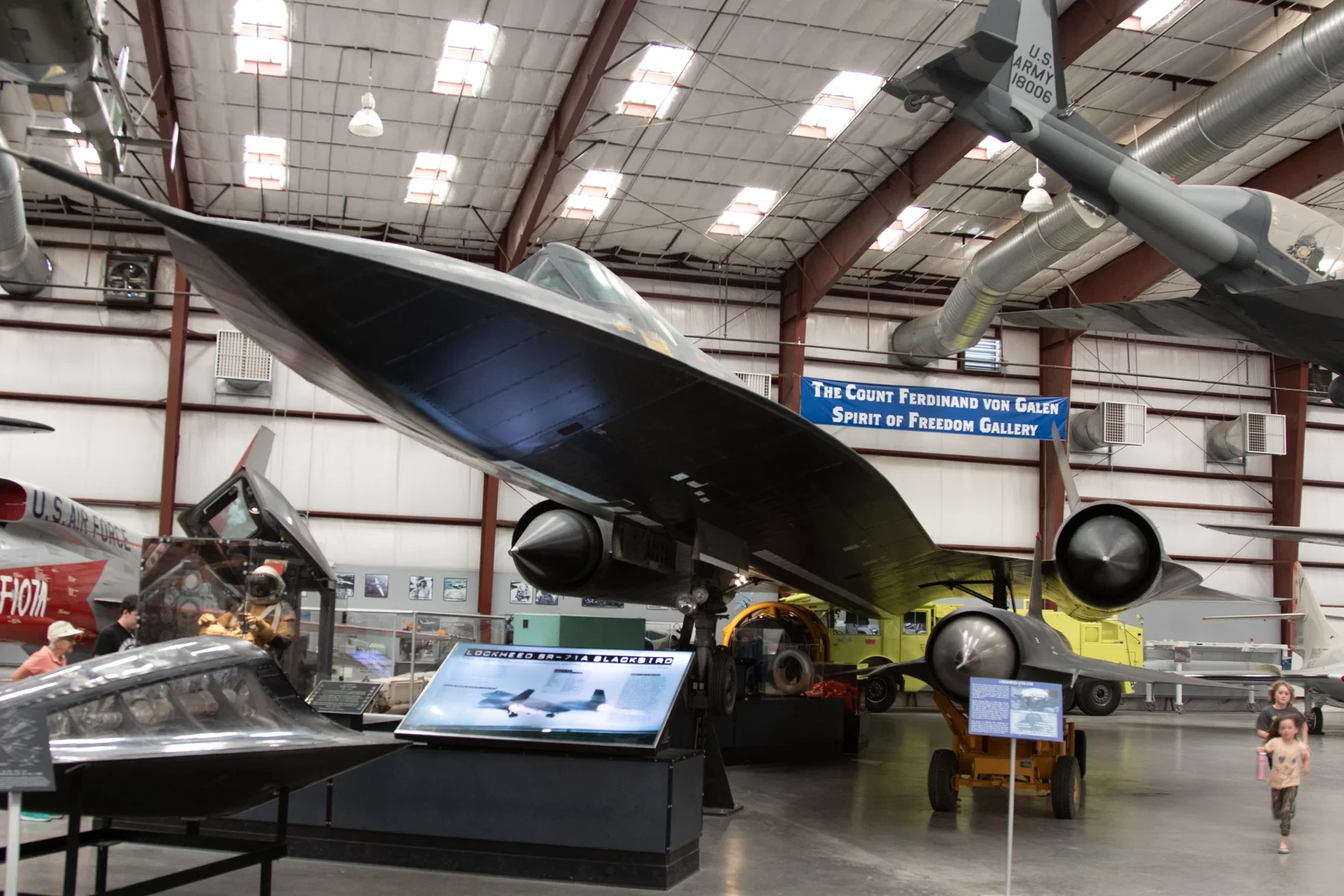

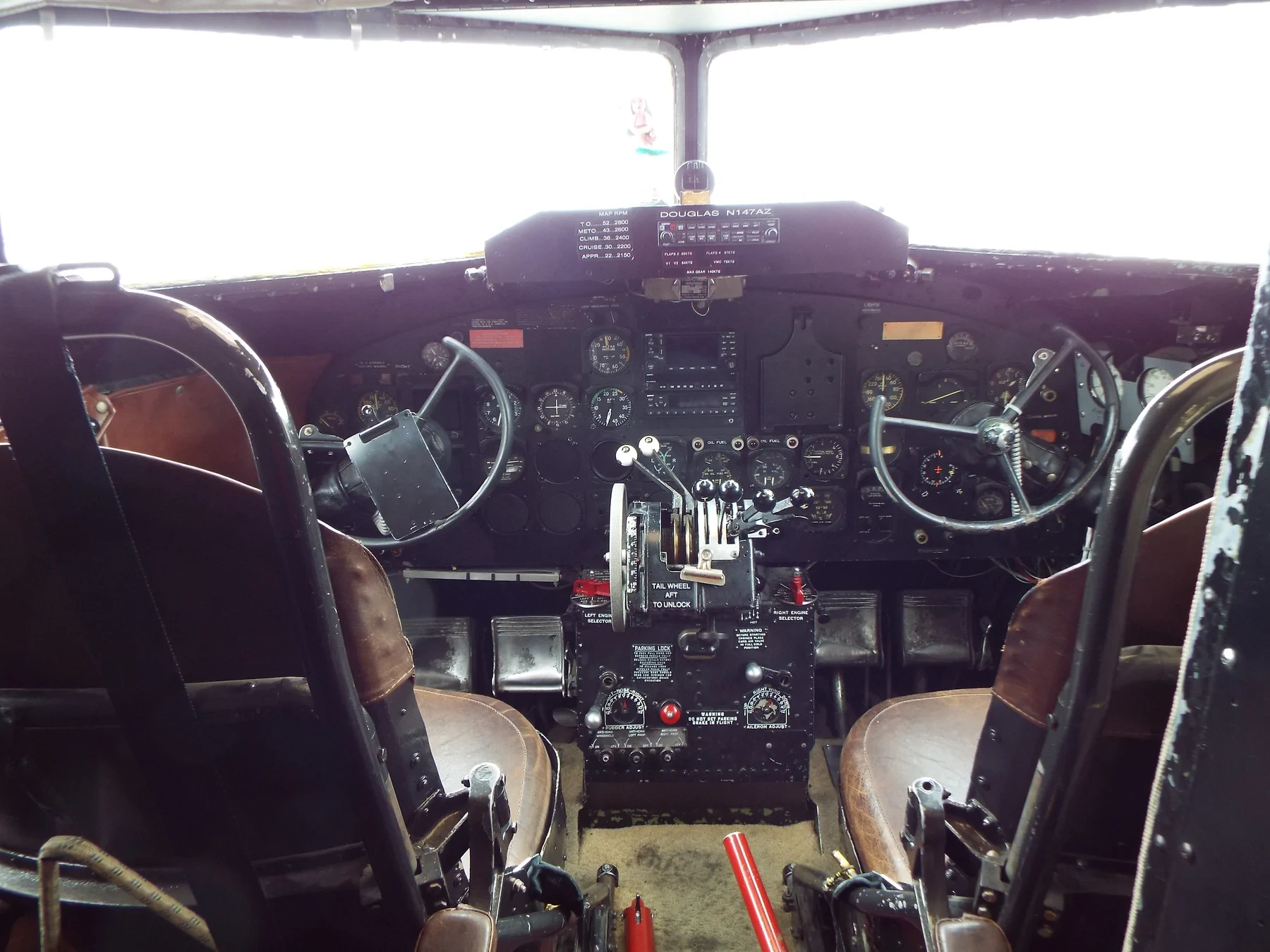
An SR-71’s long black nose can dominate a hangar. A transport aircraft’s crowded instrument panel tells a quieter story: two seats, a forest of controls, and people expected to make sense of it all. Arizona’s aviation museums let you encounter both scales of flight, but the day you get depends on where you go. Pima Air & Space Museum in Tucson offers an enormous collection spread across hangars and outdoor grounds. Airbase Arizona Flying Museum in Mesa puts military aviation history beside the work of maintaining aircraft that still fly. One rewards a generous block of time and a selective route; the other makes a strong choice for visitors interested in restoration, crew stories and a possible separately booked flight. This is a comparison of two worthwhile visits, not a statewide ranking. Details were checked October 23, 2026. Museum entry, aircraft interiors and flying experiences are three different things—and confusing them is the easiest way to plan the wrong day.
At a glance
- Pima’s strength
- Broad aircraft collection, hangars and 80-acre outdoor grounds in Tucson.
- Mesa’s strength
- Military aviation exhibits and a working maintenance hangar at Falcon Field.
- Weekend detail
- Mesa’s regular museum hours are Wednesday–Saturday; Pima opens daily except listed holidays.
- Access reminder
- Admission, aircraft interiors and paid flights have separate conditions.
Choose the day before you choose the aircraft
Pima is the stronger fit if your curiosity ranges from early flight to Cold War aircraft and airborne science. Its admission covers an 80-acre outdoor display area, multiple hangars, the Arizona Aviation Hall of Fame and the separate 390th Memorial Museum. Pima’s own FAQ suggests three to four hours for a typical visit. That is a useful starting allowance, not a promise that you can absorb the entire collection in an afternoon.
Choose Mesa if you want a more concentrated military-aviation visit with a working maintenance hangar as part of the experience. The museum describes docents helping visitors connect aircraft, engines and artifacts to the people who used them. Its flying collection gives preservation a practical dimension: a surviving airplane may need maintenance, be flying or be away on tour. That is part of the institution’s purpose, but it also means a photograph on the website cannot guarantee an aircraft will be there.
The calendar can settle the choice immediately. Airbase Arizona currently publishes Wednesday through Saturday opening, 10 a.m. to 4 p.m. A casual Sunday plan does not fit those regular hours. Pima publishes daily opening, with seasonal hours and closures on Thanksgiving and Christmas. For October through May, its dedicated hours page gives 9 a.m. to 5 p.m., with last admission at 3 p.m.
Treat these as separate day choices based on where you are staying. Combining Tucson and Mesa into one museum sprint sacrifices the time that makes both worthwhile. Visitors already planning Tucson can build Pima into that stay; Phoenix-area residents can give Mesa a dedicated morning without turning the comparison into a road-trip checklist.
At Pima, follow an idea through the collection
The scale is the attraction and the challenge. Pick a question before setting out: how did reconnaissance aircraft change, what did moving people and cargo require, or how can an airplane become a scientific instrument? A theme gives you a reason to stop at a few aircraft instead of spending the whole visit trying to photograph everything.
The main hangar is a useful starting point for the SR-71 Blackbird and the contrast between aircraft designed for very different jobs. Pima’s tour descriptions place the SR-71 in Hangar 1 and offer separate aviation-highlights and Cold War themes. You can borrow the organizing idea without buying a tour: compare shapes, crew arrangements and missions, then read the labels for the particular aircraft in front of you.
SOFIA broadens the story beyond military technology. The retired Boeing 747SP was modified to carry a telescope for a joint NASA and German space-agency project. Its observing door could open in flight. Pima’s aircraft record traces it from airline service to airborne astronomy and its December 2022 arrival in Tucson. Looking at that aircraft as a transformed working platform is more interesting than simply adding another jumbo jet to a tally.
The museum itself began with preservation. Its history describes efforts to save examples of aircraft that were disappearing through scrapping at the nearby military storage facility; the public museum opened in May 1976. Today’s visit is the result of those choices about what to keep. Leave time for the Arizona Aviation Hall of Fame in the Dorothy Finley gallery, where the focus returns to people with Arizona connections, including astronaut Frank Borman. The international collection and the state’s own aviation story make more sense together.
Make room for the people behind Pima’s aircraft
The 390th Memorial Museum deserves a place in the day rather than becoming an accidental last stop. It is a separate institution on Pima’s grounds, included in the gate admission, with a focus on the 390th Bombardment Group and the B-17 air war over Europe. Its mission includes the ground personnel as well as the crews who flew.
That emphasis changes the questions worth asking. Beyond wingspan and engines, consider the preparation behind a mission, the people who kept aircraft serviceable, and what happened when crews did not return as planned. The museum’s collections include crew photographs, clothing, instruments and personal accounts. Exhibits address prisoners of war and the Operation Chowhound food-relief missions. Give those stories room alongside the hardware.
The independent museum keeps its own hours. Its current October-through-May schedule is 10 a.m. to 4:30 p.m.; in summer it publishes a 2:30 p.m. closing. Pima’s surrounding grounds can therefore be open while this building is closed. If the B-17 story is your main interest, anchor the visit to the 390th’s schedule rather than relying on the larger museum’s gate hours.
A workable Pima day starts near the main collection, uses the outdoor grounds while your group is comfortable, and places the 390th before the final part of the afternoon. Adjust the order to the weather and any tour time available that day. Flight Grill provides an on-site meal option in Hangar 1; its published closing time is earlier than the regular-season museum closing. Eat before the last hour instead of assuming the café will remain open until you leave.
The tram, the Boneyard and aircraft interiors are different visits
Pima’s public tram is a narrated ride around the museum’s outdoor collection. The dedicated tour page lists a 45-minute, nonstop ride for $10 per person in addition to museum admission. Tickets are sold at the boarding area by card, on a first-come basis, and cannot be booked ahead. Ask about that day’s times when you arrive; weather, staffing, mechanical conditions and demand can affect operation.
The tram does not enter the military aircraft-storage area commonly called the Boneyard. Pima explicitly says its former bus tours to the 309th AMARG facility at Davis-Monthan have permanently ended and will not return under the stated Air Force security arrangements. A private museum tour does not change that restriction. AMARG is an active storage, maintenance and regeneration operation, and seeing aircraft on museum grounds is a different experience.
Interior access also needs its own check. Pima advertises selected-date tours of aircraft such as SOFIA, Orbis and the Martin Mars, but the interior-tour page still displayed past July 2026 dates when researched, with no planned Orbis date. That does not establish an interior tour for your upcoming visit. Enjoy the aircraft as exhibits unless the operator confirms a current opening.
If a tour is available, its physical requirements matter. Pima describes stairs into the listed aircraft, and the SOFIA cabin tour excludes the flight deck. The public tram’s standard boarding also involves steps, while wheelchair-accessible trams are available on request at ticket purchase. General admission, a seated tram circuit and climbing into an airplane should never be treated as interchangeable levels of access.
In Mesa, spend time with the work of keeping aircraft flying
Airbase Arizona’s maintenance hangar is a reason to slow down. The museum describes a route through Bomber Alley to the workspace where volunteers maintain its aircraft, with a machine shop supporting the effort. Ask a docent what work can be viewed that day and stay within the areas staff make available. An operating workspace is more interesting when you understand what is happening, and it cannot be programmed like a fixed display case.
Look for the connection between a small component and a very large machine. What has to be repaired, made or inspected to keep a decades-old aircraft serviceable? A visitor does not need an engineering background to appreciate that question. It turns an engine or a panel of instruments into evidence of ongoing work, rather than a mysterious object beside a label.
The collection’s best-known aircraft have distinct biographies. The national Commemorative Air Force record says B-17 Sentimental Journey was delivered in 1945 and did not see combat, despite representing a type strongly associated with wartime bombing. C-47 Old Number 30, by contrast, entered service in 1943 and operated in the Mediterranean. Ask about the specific airframe’s life instead of assuming that every aircraft of a wartime type served the same role.
The museum FAQ says the B-17 and C-47 are generally open for interior touring when they are not flying, away on tour or closed for maintenance. That qualification matters more than the broad invitation to climb aboard on promotional pages. If seeing one particular aircraft is the main reason for the trip, confirm its presence with the museum before leaving. Its published docent-station number for same-day aircraft questions is 480-268-2153.

Read the exhibits as Arizona history, too
Mesa’s airport setting is part of the story. The city’s historical account identifies Falcon Field as a training field built for British pilots in 1941, while Williams Field served American pilots. Falcon Field later became a municipal airport. Knowing that distinction adds meaning to a visit at the airfield without confusing separate installations or treating present-day operations as a reenactment.
Inside Airbase Arizona, the published exhibit list includes the Tuskegee Airmen, Women Airforce Service Pilots, POW/MIA history and Mexico’s Aztec Eagles. Those subjects offer several ways into the day for visitors who are less interested in technical specifications. Pick one story to follow carefully: who was allowed to fly, who was excluded, what work counted as service, and how that service was remembered afterward.
The attraction is not simply that the airplanes are old. The materials connect technology to people, institutions and wartime choices. A bomber jacket, crew position or photograph can carry a different kind of evidence from a restored exterior. With children, start with a concrete question—where did a crew member sit, what could they see, and what job were they responsible for? Then let the exhibit supply the answer rather than reducing a complicated history to a heroic slogan.
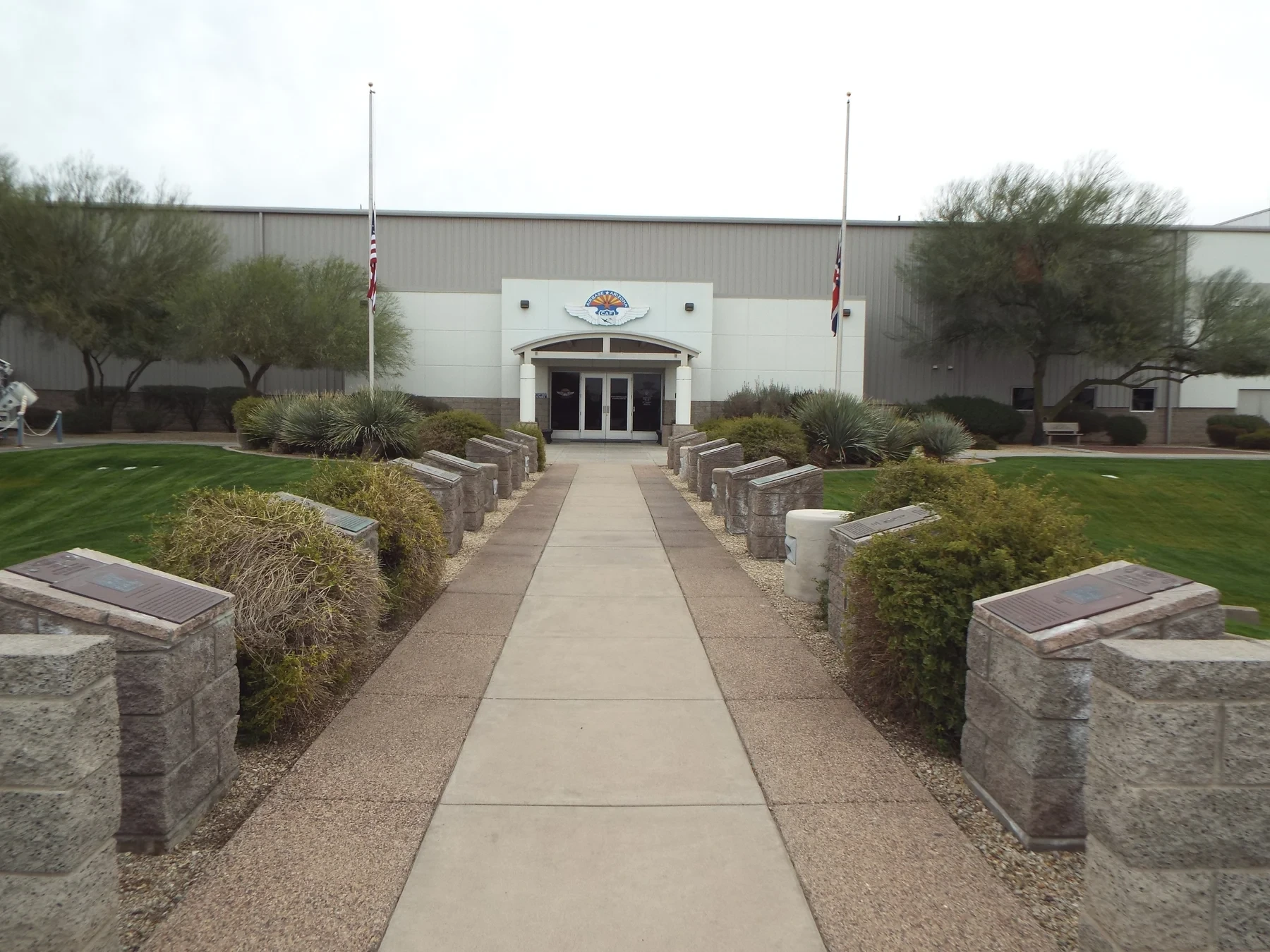
Keep the visit’s emphasis proportionate to your group. An aviation enthusiast might spend a long time discussing restoration; another visitor might prefer the exhibits and memorial walkway. Both are legitimate ways to use the museum. You do not have to book a flight, tour every interior or know aircraft designations in advance to come away with a more specific understanding of Arizona’s aviation connections.
Book a flight only after the museum day makes sense
A warbird flight is a separate decision with its own price, availability and participation requirements. Airbase Arizona’s Mesa flight page says flights generally run from September through early May, depend on aircraft and crew availability, and are normally posted two to four weeks ahead. Regular museum opening does not mean that flights operate that day, and a seasonal description is not a confirmed seat.
Read the current aircraft-specific information before paying. The operator’s FAQ sets different age rules: some aircraft require passengers to be at least 12, while children aged 5–11 may fly in the C-45 or C-47 with a guardian. Those rules do not establish suitability for every passenger. Discuss boarding, mobility or other individual needs with the operator, and review its current cancellation and agreement requirements directly.
Time descriptions deserve equal care. The FAQ describes approximately 20–25 minutes in the air within an expected 40–45-minute onboard experience, and asks passengers to arrive at least an hour before the scheduled flight. Aircraft-specific arrangements may differ. A longer advertised experience should not be read as that much flying time.
If you are coming mainly for the museum, keep the visit enjoyable without a flight. If flying is the purpose, build the day around an actual confirmed booking and leave space for briefing and changes. The museum’s separately listed cockpit-tour charge is another reason to ask exactly what is included rather than assuming every type of aircraft access comes with the gate ticket.

Budget for the visit you will actually make
As checked October 23, Pima lists adult one-day admission at $22.50 for ages 13 and up, and $16 for ages 5–12; children under 5 are free. Its adult two-day ticket is $29, with the second visit usable within 30 days rather than necessarily the following day. That can be worthwhile for someone staying locally who wants a shorter first outing. It does not make sense to add a return journey solely because the ticket difference is small.
Mesa lists adult admission at $20 for ages 18 and up, $10 for ages 5–17, and free admission under 5. The age bands differ, so compare your actual party rather than only the headline adult prices. Flights and separately charged experiences require their own budget. Recheck the operator’s prices before buying; this guide records the published figures on its research date.
For mobility planning, Pima states that it does not rent or loan wheelchairs or scooters. Mesa describes accessible exhibition areas and restrooms, plus a limited supply of complimentary mobility aids. Neither statement guarantees access into every aircraft. Bring the equipment you need or confirm arrangements, and separate the museum route from any aircraft boarding requirement.
Plan lunch and luggage before arrival. Pima restricts bags to small purses, camera bags and diaper bags and lists no locker rental. Mesa’s group-visit guidance says there is no public food service on site. A modest, well-paced plan works at either museum: choose your essential exhibits, make space for a break, and leave the rest for another visit. For time beyond the hangars, our Tucson streetcar food day and Phoenix car-free weekend offer different ways to explore the cities; neither is a direct transit itinerary to these museums.
The details
A few good questions.
Does Pima’s tram take you through the Boneyard?
No. The tram stays on Pima’s museum grounds. Pima says its former bus tours to the military AMARG facility have permanently ended.
Can I go inside the aircraft?
Only where the operator permits it. Pima’s interior tours are offered on selected dates; its page did not establish an upcoming October date when checked. Mesa’s B-17 and C-47 interiors are generally available unless maintenance, flights or touring prevent access. Confirm the specific aircraft and any separate charges.
Which museum works on a Sunday?
Pima publishes daily opening, with Thanksgiving and Christmas closures. Airbase Arizona’s regular schedule is Wednesday through Saturday. Recheck special events and current operator hours before traveling.
Are flights included with Mesa museum admission?
Do not assume so. Flights use a separate booking calendar and have aircraft-specific prices and participation rules. The museum visit is worthwhile as a ground experience on its own.
Behind the story
Sources & further reading.29 sources behind this story
Research reviewed October 23, 2026. Check the linked providers for updates before travel.
Researched and written with AI, with automated editorial review. Read how we check our stories.
- Pima: plan your visitChecked 2026-10-23
- Pima: general admissionChecked 2026-10-23
- Pima: hours and directionsChecked 2026-10-23
- Pima: available toursChecked 2026-10-23
- Pima: frequently asked questionsChecked 2026-10-23
- Pima: museum historyChecked 2026-10-23
- Pima: aircraft interior toursChecked 2026-10-23
- Pima: Flight GrillChecked 2026-10-23
- Pima: 390th Memorial MuseumChecked 2026-10-23
- Pima: Boeing 747SP SOFIA recordChecked 2026-10-23
- Arizona Aviation Hall of FameChecked 2026-10-23
- Airbase Arizona: visit usChecked 2026-10-23
- Airbase Arizona: location and hoursChecked 2026-10-23
- Airbase Arizona: museum FAQChecked 2026-10-23
- Airbase Arizona: museum historyChecked 2026-10-23
- Airbase Arizona: current exhibitsChecked 2026-10-23
- Airbase Arizona: collection experienceChecked 2026-10-23
- Airbase Arizona: flight FAQChecked 2026-10-23
- Airbase Arizona: Mesa flight scheduleChecked 2026-10-23
- Airbase Arizona: educationChecked 2026-10-23
- Airbase Arizona: groups and schoolsChecked 2026-10-23
- 390th: mission and museum historyChecked 2026-10-23
- 390th: plan your visitChecked 2026-10-23
- City of Mesa: local historyChecked 2026-10-23
- Commemorative Air Force: Airbase ArizonaChecked 2026-10-23
- Commemorative Air Force: Sentimental JourneyChecked 2026-10-23
- Commemorative Air Force: Old Number 30Checked 2026-10-23
- U.S. Air Force: 309th AMARGChecked 2026-10-23
- NASA: SOFIA finds an Arizona museum homeChecked 2026-10-23
Your next somewhere.
U.S. travel stories with sources you can follow and places worth making time for.
Our editorial approachExplore destinationsShare a little inspiration