Southern Arizona
3 Arizona Ranches Where the Buildings Tell a Bigger Story
A hillside villa, a former guest ranch and a working cattle headquarters reveal different Arizona histories. Here is how to choose a visit—and distinguish an open trail from a promised house tour.
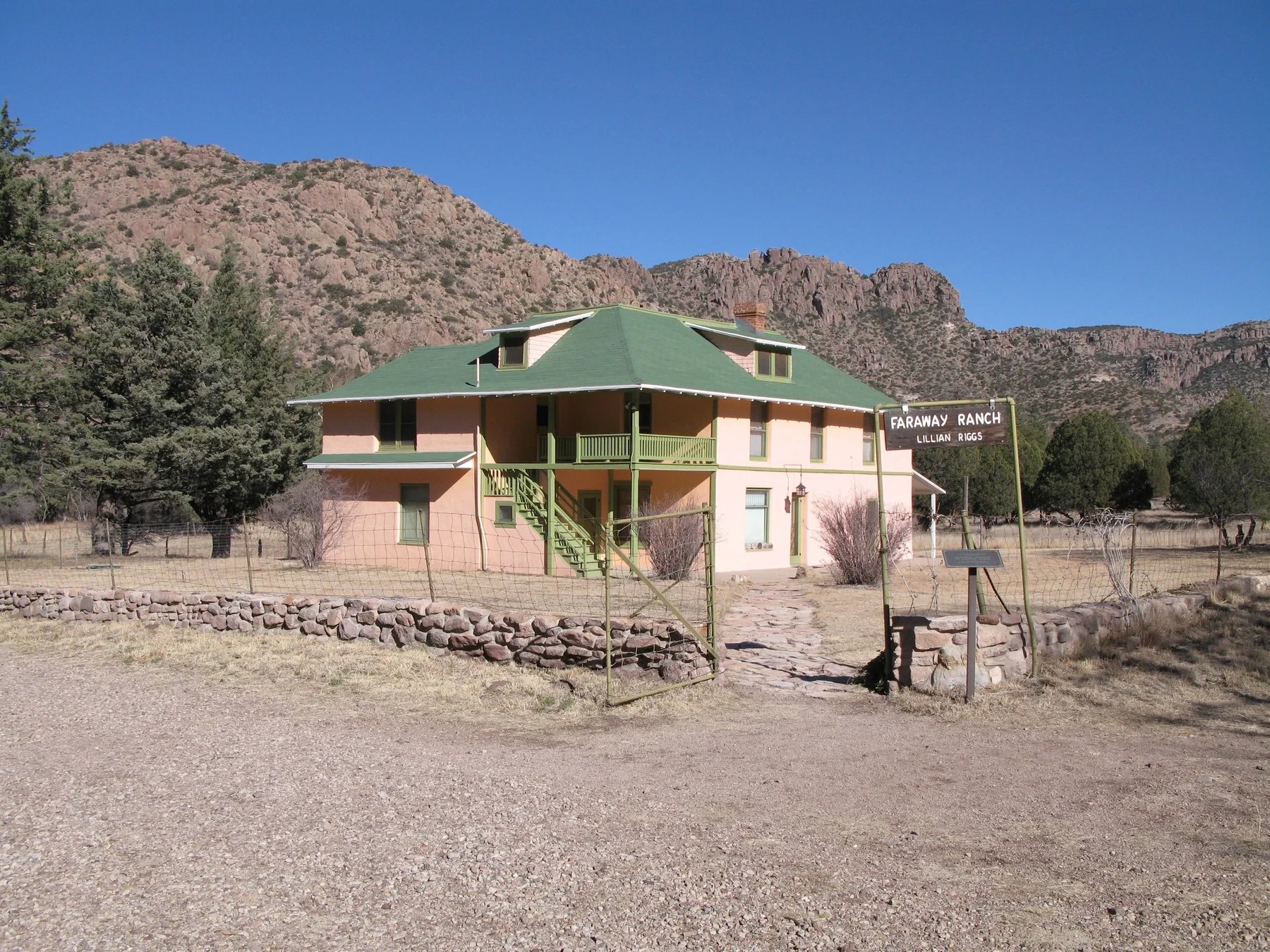

At one Arizona ranch, a room full of paintings changes the way you think about cowboy life. At another, carved stones connect a guest-house fireplace to Black cavalry soldiers. At a third, the kitchens and sleeping quarters reveal the work behind the household. Kannally, Faraway and Empire reward looking beyond the postcard. This guide compares three separate history outings, using visitor information checked October 20, 2026; photographs are clearly dated archival views.
At a glance
- Choose for architecture and art
- Kannally Ranch House, Oracle State Park
- Choose for a former guest-ranch landscape
- Faraway historic district, Chiricahua National Monument; confirm interiors separately
- Choose for working-ranch history
- Empire Ranch; free general entry and reserved docent tours
- Information checked
- October 20, 2026; recheck access and events before traveling
Choose the kind of ranch day you want
A ranch visit can mean an art-filled hillside house, a former guest retreat at the foot of rock formations, or a sprawling headquarters where kitchens and workrooms tell you how the business ran. Southern Arizona has all three. Their differences are the reason to choose carefully, rather than collect them as interchangeable Old West photo stops.
Pick Kannally Ranch House at Oracle State Park for architecture, paintings and a walk that starts close to the house. Pick Empire Ranch, north of Sonoita, for a self-guided look through a working ranch's historic headquarters, with a short interpretive trail afterward. Pick Faraway Ranch for the outdoor historic district within Chiricahua National Monument, especially if the monument is already the focus of your day.
These are three separate outing ideas. Oracle lies on the northern side of the Tucson region; Empire is southeast of Tucson; Faraway requires the much longer approach into the Chiricahua Mountains. Trying to connect all three in one day would make driving the main event. Choose one, leave room to read the signs and look closely at the buildings, and add another on a different trip.
None is being recommended here as a bookable ranch stay. Their appeal is the chance to understand a place through its surviving spaces and the landscape around them.
Kannally: a ranch house with a surprisingly artistic life
At Kannally, the first surprise is the architecture. The white-walled house has Mediterranean Revival styling with Moorish influences, a different vocabulary from the rough timber cabin many visitors picture when they hear “Arizona ranch.” Built around the early 1930s, it occupies four levels on its hillside. The building itself is part of the reason to come.
Neil and Lee Kannally bought the original ranch in 1903; siblings Vincent, Mary and Lucile later joined them. Inside, historic photographs and artwork broaden the family story beyond livestock. Lee's paintings are an especially useful reminder that the people working a ranch could also have creative lives. Look at the rooms and the images together: one shows the household's setting, the other what a family member chose to notice and record.
The landscape has a second chapter, too. Lucile's bequest required its use as a wildlife reserve. The subsequent transfer to state ownership and the planning process put environmental education and habitat protection at the center of the park. A walk after the house visit is therefore more than a pleasant extra; it introduces the purpose the land serves today.
Current park guidance offers self-guided house tours. Start with the visitor information point in the ranch house, where staff can explain which spaces and routes suit your visit. A four-level historic home merits a specific accessibility question before traveling; accessible restrooms do not establish access to every room.
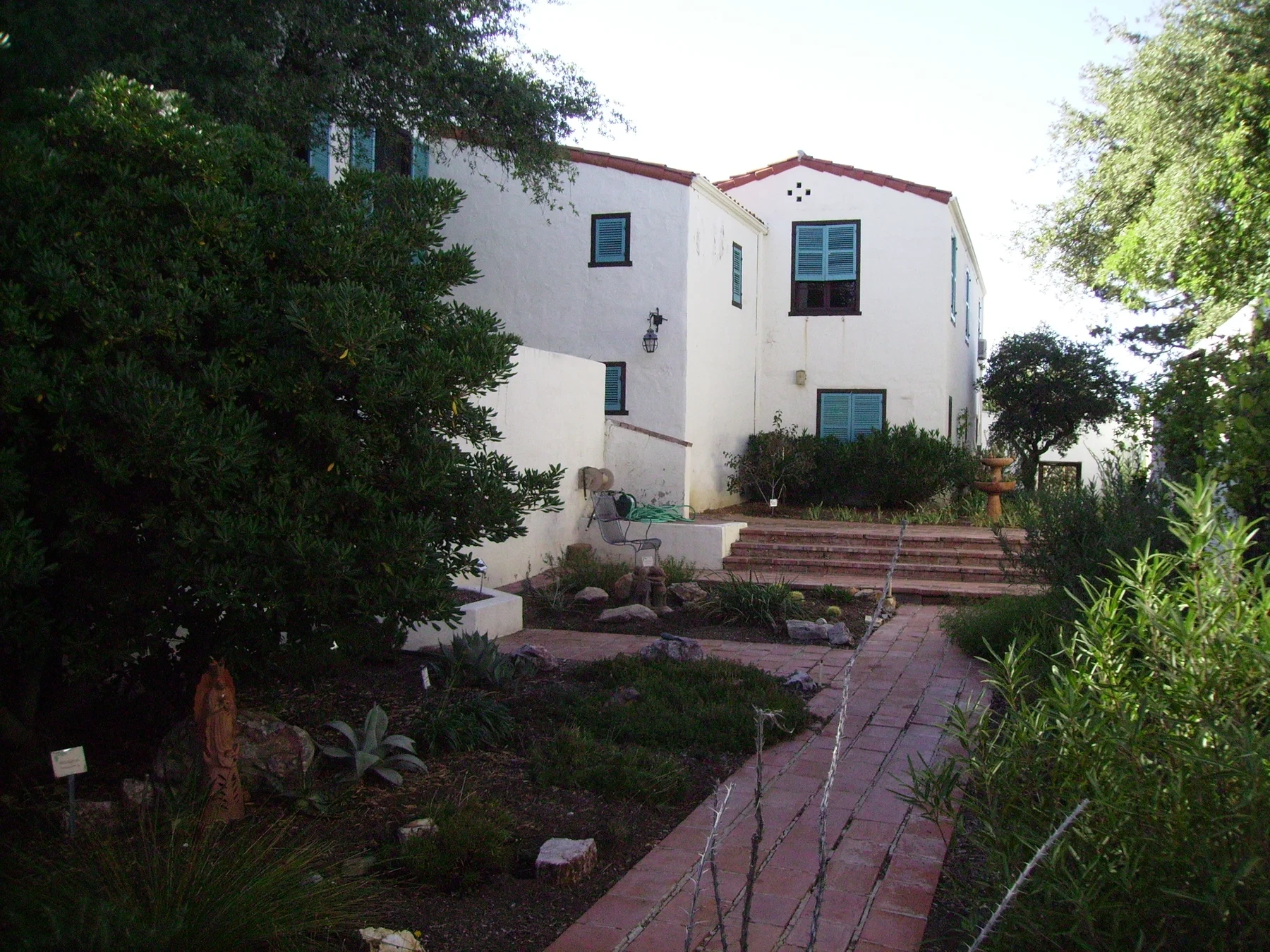

Make Oracle a house-and-trail visit, with the right gate time
For a modest walk, the park lists the Nature Trail as a 1.2-mile loop beginning at the far end of the ranch-house parking area. It has views toward the Galiuro Mountains and San Pedro River Valley, and a wildlife-viewing blind. The route allows hikers, leashed dogs and mountain bikes; it is not a paved promenade. Other loops have different rules, including no dogs on Bellota and Windy Ridge.
Do not confuse that short outing with the Arizona Trail. The park's Arizona Trail loop is six miles, and the Arizona Trail Association's whole Oracle passage is 8.6 miles between different trailheads. Those are different commitments, with different return logistics. Choose the actual marked route you intend to walk before leaving the house area.
As checked October 20, winter park hours are 8 a.m.–4 p.m., with exit gates closing at 5 p.m.; the store's winter hours are 9 a.m.–4 p.m. Posted entry is $10 per vehicle with one adult, $20 with two to four adults, or $5 for individual/bicycle entry. Federal park passes do not cover this state-park charge.
A November 22, 2026 history program is listed for noon–1:30 p.m., combining the house with a half-mile interpretive walk over uneven ground. October 24's Art on the Trail is another dated option. Recheck those event pages before planning around them; special-event hours are not the everyday opening schedule.
Faraway: read the guest ranch through the women who built it
Faraway's peach-colored house and green roof stand below the rocky slopes of Bonita Canyon. The setting can tempt a visitor to treat the ranch as a decorative prelude to the monument's formations. Its history deserves a slower look.
Emma Peterson Erickson bought the original cabin in 1886. Her earlier work had included domestic service, cooking and childcare; at the ranch she preserved food, raised children and kept the household going while Neil Erickson worked away in Bisbee. That labor belongs in the story as much as the subsequent expansion of the house. The purchase date and the family's eventual move into the canyon were not the same event.
The next generation developed a business out of hospitality. Hildegard and Lillian expanded boarding operations, and Lillian later ran the guest and cattle ranch with her husband Ed Riggs. Guests needed meals, clean rooms and horses as well as scenery. Hired household workers and ranch hands helped make the experience possible. Lillian continued managing the property despite losing her sight and much of her hearing.
The old guest operation closed in 1970. Today's visitor is encountering a preserved historic place, not an operating guest ranch with the pool, meals or horseback outings described in accounts of its past. The history is richer when those comforts are understood as work someone had to provide.
At Faraway, plan for the district and confirm the house separately
The important access distinction is between walking the historic district and entering the ranch house. Current NPS hiking guidance describes the Silver Spur Meadow Trail through the district, and its accessibility page discusses the area around the house. A separate NPS place record, however, labels Faraway “Open to Public: No.” The current programs page does not establish a regular interior-tour schedule. This guide therefore does not promise house admission. If going inside is essential to your trip, confirm it with the park before driving there.
The Silver Spur Meadow route links Faraway, Stafford Cabin and the meadow with visitor-center and campground approaches. NPS lists the trail at 1.2 miles; check a map for your chosen start and return rather than assuming that figure describes a loop from every parking spot. For visitors using mobility devices, NPS says the area around the ranch house is generally suitable for most devices. That is a narrower claim than saying the entire route is accessible.
There is no monument entrance or parking fee. From Willcox, the paved approach uses AZ-186 and AZ-181. Fuel and basic supplies are well outside the monument, cellular coverage is limited, and NPS warns that primitive-road shortcuts can become impassable after rain or snow. Save the map, arrive supplied and check current conditions. The ranch district can be the history component of a Chiricahua day without relying on a house tour.
The history begins before the ranch sign
The Chiricahua Mountains were an Apache homeland long before these homesteads. Emma's purchase followed the 1886 military campaign and the removal of Chiricahua leaders and families to Florida. Presenting the canyon as empty country awaiting settlers would erase the setting in which the ranch developed.
Another layer survives in the house's fireplace: stones carved by Buffalo Soldiers of the 10th Cavalry, originally assembled into a monument to President James Garfield. The stones carry individual names and marks. They connect a domestic room to a military presence in the canyon, and to Black soldiers whose lives do not fit a simple ranch-family narrative. Learn that history through the park's interpretation even if interior access is unavailable. A name carved on a stone is not, by itself, proof that its namesake visited the site; NPS specifically cautions against that inference about Henry Flipper.
Stafford Cabin offers a further reason to look beyond the largest house. Its associated orchard and garden once earned income, while Pauline Stafford's letters describe food preservation and household demands. Clara Stafford later took on ranch responsibilities, before the Erickson sisters purchased the property in 1918. These accounts make domestic labor visible. They also resist the comforting idea that every life in a picturesque historic district was an uncomplicated adventure.
Empire: follow the rooms from family life to ranch work
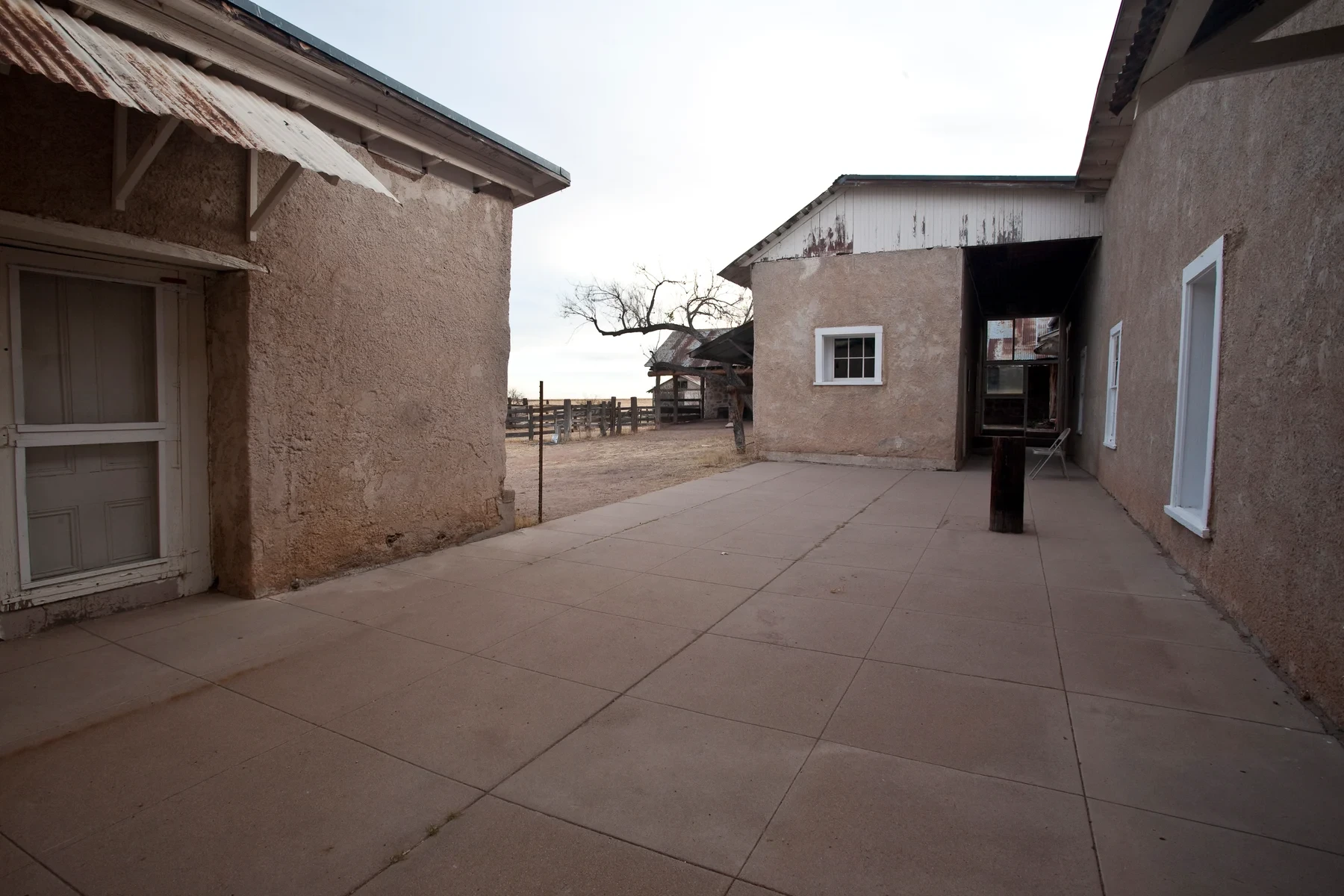
Empire Ranch is particularly rewarding if you enjoy understanding how a building works. Its early adobe core grew through additions, and the resulting headquarters is less a single grand residence than a collection of connected purposes. The room descriptions identify cowboys' dining and kitchen spaces, cooks' quarters, an office, a bookkeeper's room and family rooms.
Use those labels as a way to read the plan. Where did food move? Which spaces were for business, which for the family, and which for the people sustaining both? The answers visible in the layout can tell you more than a room count. Signs and the walking-tour brochure help make the relationships legible without requiring a guided visit.
The ownership history also complicates the image of a ranch frozen in the nineteenth century. The Boice family brought modern utilities and other changes to the house. Later corporate owners considered residential development and mineral or water interests; those schemes did not become the landscape visitors see. Public acquisition in 1988 and conservation-area designation in 2000 created another future for the land.
Ranching remains part of that landscape. Give working areas their space, follow posted visitor routes and leave gates as you find them. A historic site can be open to the public while still containing buildings, tasks and surfaces that are unsuitable for casual wandering.

Empire offers a free visit; reserve if you want the docent
The headquarters buildings and grounds are listed as open from sunrise to sunset, with no general admission charge. From AZ-83, the signed paved approach runs about three miles to the ranch. The visitor contact center and gift shop have more limited staffing, so their availability should not be treated as identical to access to the grounds.
The Foundation's regular docent tours begin at 11 a.m. on the second and fourth Saturdays of the month. They are free, but reservations are required by 5 p.m. on the preceding Friday. Meet at the Visitor Contact Station. Check the current booking page for your date rather than arriving on any Saturday expecting a tour.
After the buildings, consider the half-mile Heritage Discovery Trail along Empire Gulch. The Foundation credits cowboy Tomás López with planting cottonwoods here around 1880; it also explains why some trees still show damage from the 2017 Sawmill Fire. The walk connects human work with the water and vegetation that supported it.
BLM describes compacted gravel, grades below five percent, accessible parking and a vault toilet, but identifies the Grove House branch as rockier and steeper. Some ranch rooms can be reached through the breezeway; historic barns have not all been modified. Bring your drinking water. Official pages disagree about water infrastructure, so a spigot mentioned online is not a dependable supply plan.
Give one place enough time to become more than a photograph
Build the day around the component you most want: a Kannally interior visit, an Empire docent tour, or a Faraway district walk alongside a broader Chiricahua outing. Confirm that component first, then choose the walking route and meal plan around it. That order prevents a long drive from depending on an assumption about a door being open.
Carry the day's water, a picnic or a realistic food stop, sun protection and shoes that work on uneven ground. Look at the forecast for the place itself. A short historic walk still crosses exposed country or a wash, and a calendar date does not guarantee mild weather. At Empire, the Foundation specifically warns of flash flooding in the gulch during rainstorms and falling branches on windy days.
For families, a small observation game can slow the visit down: find a room connected with food, a feature connected with water, and a sign naming someone other than the owner. Let the evidence determine the answers. It is a way to make the buildings interesting without inventing stories about what happened in them.
If you want a longer weekend afterward, our Arizona towns guide can help choose a base; our landscape guide offers a different kind of next outing. For this day, one ranch, one well-chosen walk and time to read can be a complete plan.
The details
A few good questions.
Can you go inside all three ranch houses?
Do not assume so. Oracle currently advertises self-guided Kannally tours; Empire offers self-guided visits and reserved docent tours. Faraway district walking access is documented, but this guide could not establish a regular current house-tour schedule. Confirm directly if the interior is essential.
Can these ranches be visited in a single day?
Treat them as separate outings. They occupy different parts of southern Arizona, and Faraway has a substantial rural approach. Choose one around the buildings, tour or walk that interests you rather than turning the day into a three-stop driving challenge.
Behind the story
Sources & further reading.31 sources behind this story
Research reviewed October 20, 2026. Check the linked providers for updates before travel.
Researched and written with AI, with automated editorial review. Read how we check our stories.
- NPS: Faraway RanchChecked 2026-10-20
- NPS: Chiricahua ranger programsChecked 2026-10-20
- NPS: Chiricahua conditionsChecked 2026-10-20
- NPS: Chiricahua accessibilityChecked 2026-10-20
- NPS: Chiricahua directionsChecked 2026-10-20
- NPS: Chiricahua feesChecked 2026-10-20
- NPS: Emma Peterson EricksonChecked 2026-10-20
- NPS: Lillian Erickson RiggsChecked 2026-10-20
- NPS: Garfield Monument and Henry FlipperChecked 2026-10-20
- NPS: Faraway Ranch place recordChecked 2026-10-20
- Arizona State Parks: Oracle visitor informationChecked 2026-10-20
- Arizona State Parks: Kannally Ranch HouseChecked 2026-10-20
- Arizona State Parks: Oracle facilitiesChecked 2026-10-20
- Arizona State Parks: Oracle park historyChecked 2026-10-20
- Arizona State Parks: Oracle trailsChecked 2026-10-20
- Arizona State Parks: November 22 history hikeChecked 2026-10-20
- Arizona State Parks: October 24 Art on the TrailChecked 2026-10-20
- Arizona Trail Association: Passage 13 OracleChecked 2026-10-20
- Empire Ranch Foundation: hours and directionsChecked 2026-10-20
- Empire Ranch Foundation: docent-led toursChecked 2026-10-20
- Empire Ranch Foundation: history overviewChecked 2026-10-20
- Empire Ranch Foundation: buildings and structuresChecked 2026-10-20
- Empire Ranch Foundation: ranch house planChecked 2026-10-20
- Empire Ranch Foundation: exploring headquartersChecked 2026-10-20
- BLM: Historic Empire RanchChecked 2026-10-20
- BLM: Las Cienegas visitor guidanceChecked 2026-10-20
- BLM: Las Cienegas conservation landsChecked 2026-10-20
- Empire Ranch Foundation: Heritage Discovery TrailChecked 2026-10-20
- NPS: Chiricahua hikingChecked 2026-10-20
- NPS: Apache before 1861Checked 2026-10-20
- NPS: Stafford familyChecked 2026-10-20
Your next somewhere.
U.S. travel stories with sources you can follow and places worth making time for.
Our editorial approachExplore destinationsShare a little inspiration