Arizona
Arizona After Dark: 6 Stargazing Experiences Worth Planning Around
A flexible Flagstaff observatory visit, full mountain evenings and self-guided dark-sky parks: choose an Arizona night that fits your time, group and return journey.
An Arizona night under the stars can ask for very different kinds of planning. One observatory lets you build a flexible evening around exhibits and telescope viewing. Another asks you to stay until the group is escorted down the mountain. At a dark-sky park, the most useful detail may be which gate you are allowed to use after sunset. These six experiences reward staying out after the daytime sightseeing ends, but they suit different trips. Choose by the amount of time you want to commit, whether you want an astronomer’s guidance, and how you will get back. The comparisons are editorial judgments based on operator and land-manager information checked October 15, 2026. Listed prices are the advertised options described below; check your selected date and ticket terms before booking.
At a glance
- Flexible evening
- Lowell in Flagstaff: general admission does not require a reservation. Check opening days and telescope schedules.
- Reserve the full night
- Kitt Peak: 4.5 hours. Mount Lemmon SkyNights: 5 hours. Both restrict early departure.
- Park access matters
- Oracle needs a dated event or separately reserved night entry. Chiricahua stargazing does not permit overnight parking.
- Grand Canyon update
- South Rim lodging is suspended under Stage 4 water restrictions as checked October 15, 2026. Verify current operations before planning an overnight.
1. Lowell Observatory: a Flagstaff evening with room to explore
The appeal of Lowell is the ability to move between a history of discovery and the sky overhead. On Mars Hill, the historic Clark telescope and the modern Giovale Open Deck Observatory belong to the same visitor campus. The latter has six telescopes, giving public observing a very different feel from choosing one remote pullout and wondering what you are looking at. Indoor exhibits add a reason to arrive before dark.
Choose this option if your group wants flexibility. General admission does not require a reservation, and Lowell says visits can range from a brief stop to much of the day. You can plan around an evening in Flagstaff instead of committing everyone to a five-hour mountaintop program. Telescope viewing usually begins around sunset, subject to the actual schedule and conditions; arriving in the afternoon does not mean the night telescopes will already be open.
The listed adult general admission is $35. It includes stargazing and exhibits, while the rooftop Dark Sky Planetarium show is a separate ticket choice: the adult admission-and-show bundle is $43. The rooftop show and the open-deck telescopes are different experiences, so check which one you are buying. Current regular hours are noon to 10 p.m., with Tuesday closures and holiday exceptions; on-site ticket sales finish at 9 p.m.
At roughly 7,250 feet, Flagstaff deserves its own clothing plan even if you left a warm Arizona valley that morning. Bring layers and shoes for campus walking and inclines. This is our pick for a first observatory visit when a shorter evening or a mix of astronomy and indoor learning matters more than a fixed, immersive program.
Sources: Lowell: hours and visit FAQs · Lowell: admission and inclusions · Lowell: public experiences · Lowell: Giovale Open Deck Observatory
2. Kitt Peak: commit to the whole night above Tucson
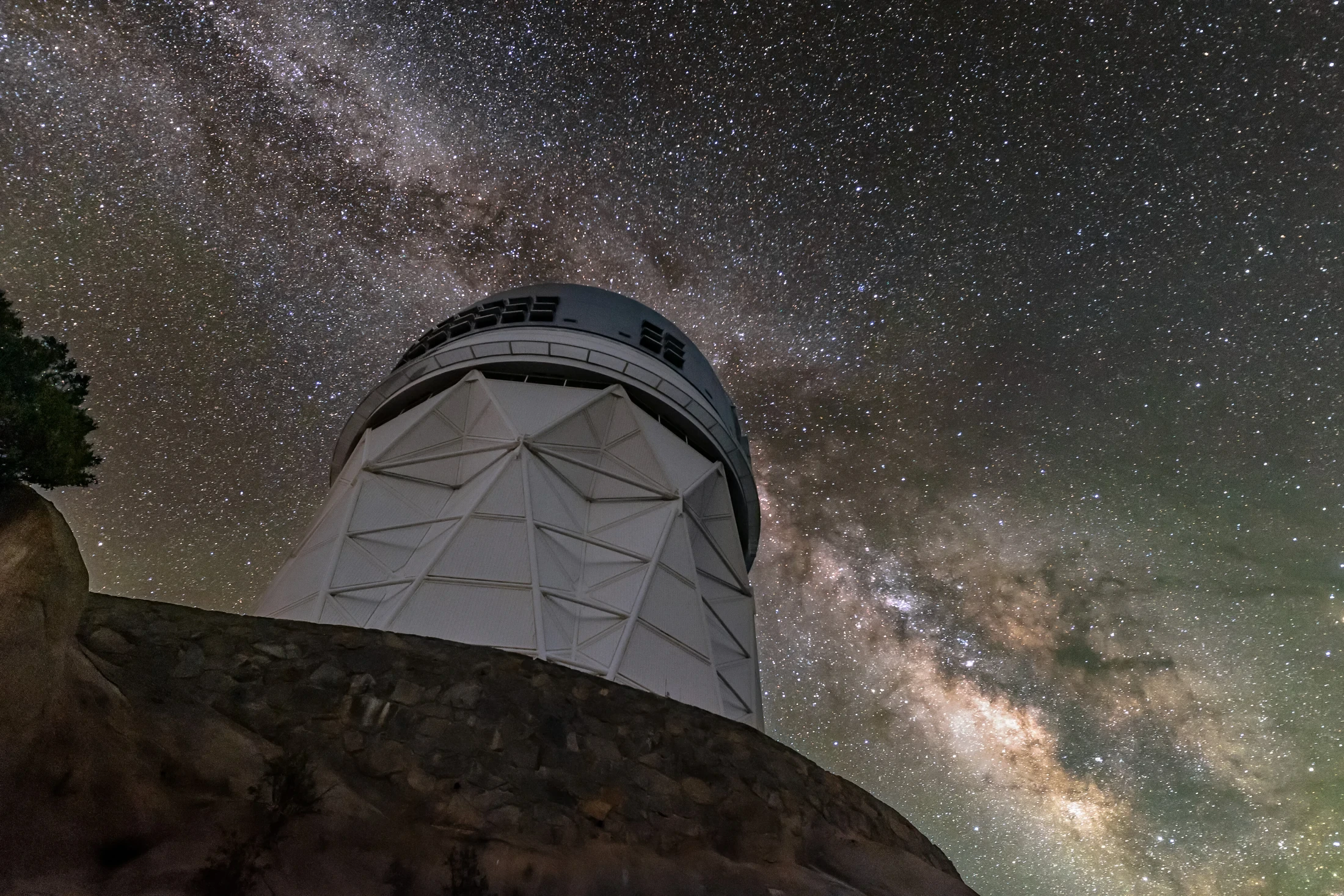
Kitt Peak’s Nightly Observing Program makes the evening itself the destination. The 4.5-hour experience combines a light meal, sunset, an introduction to the sky, binoculars and telescope observing. It takes place among the observatory facilities on the Tohono O’odham Nation, west of Tucson. Public observing uses visitor-program equipment; the large Mayall telescope in our cover photograph is a research facility, not a promise about the telescope on your ticket.
The standard program lists $89 per person and is not recommended for children younger than eight. Reserve through the operator, then organize the rest of your day around the check-in time on your booking. Kitt Peak advises allowing at least 90 minutes from downtown Tucson for the 54-mile journey. Arrive fueled and fed for the drive, and bring warm layers for a site near 7,000 feet; Tucson’s temperature is a poor guide to standing outside up here.
One rule is easy to miss: ordinary early departures are not allowed. Only genuine emergencies qualify, and guests leave in an escorted vehicle caravan for the initial descent so headlights do not interfere with research. That makes this a poor match for anyone who needs to leave whenever a child gets tired or who has another timed commitment later.
Read the weather terms before paying. The operator may offer an alternate program or another date when the forecast is unfavorable; unexpected changes after an evening begins do not automatically produce a refund. Contact staff in advance about mobility needs, because the sunset walk, telescope access and eyepiece position have different limitations. Follow staff guidance about photographs of surrounding sacred terrain as well as observatory lighting.
Sources: Kitt Peak: nighttime programs · Kitt Peak: plan your visit · NOIRLab: public roll-off-roof observatory
3. Mount Lemmon SkyNights: a five-hour mountain observatory experience
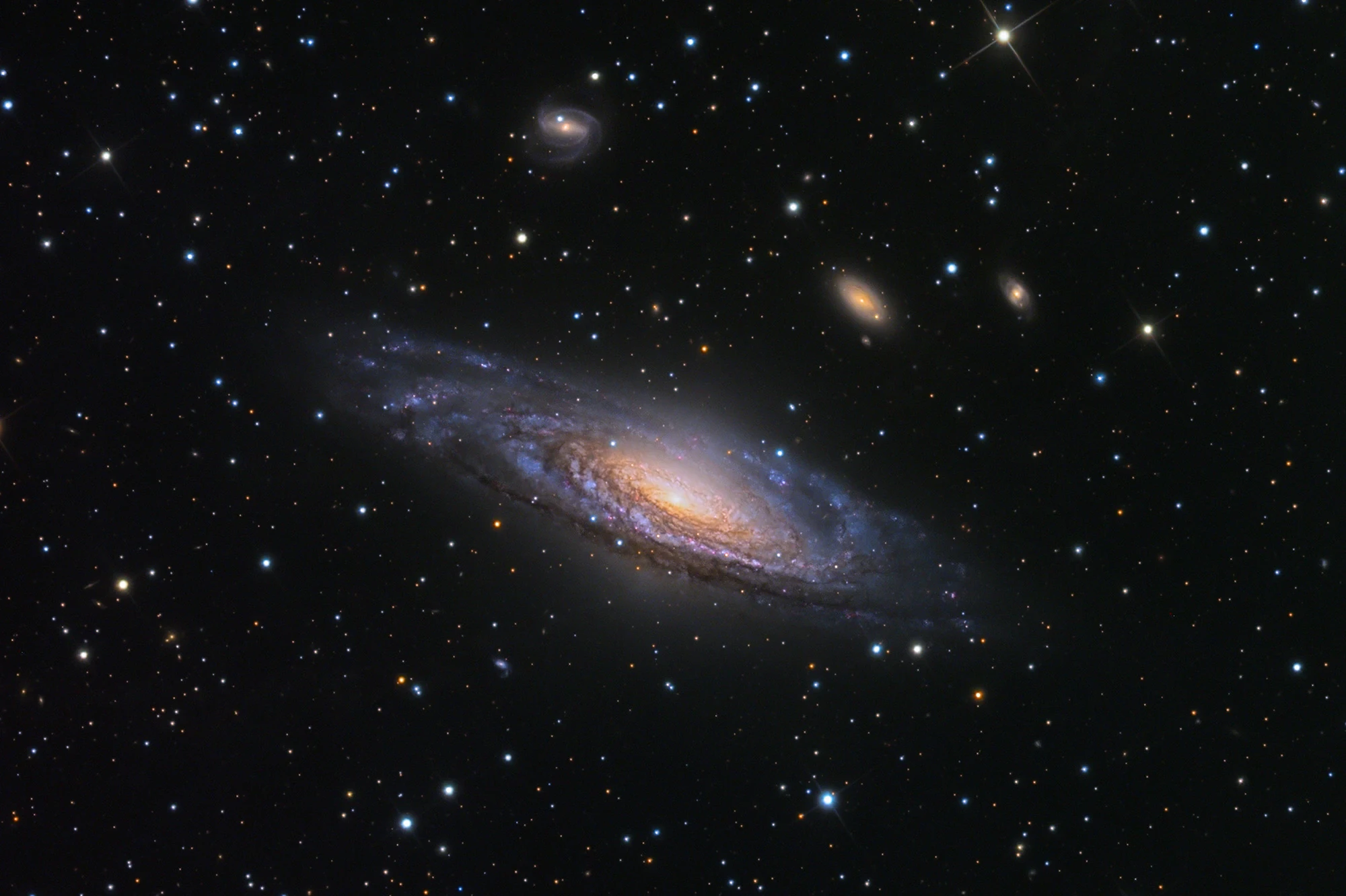
Mount Lemmon offers another dedicated astronomy evening, approached from Tucson by the Catalina Highway. The University of Arizona’s SkyNights program begins about two hours before sunset and lasts five hours. A presentation and light dinner lead into sunset viewing, binocular observing and time at the Schulman 32-inch or Phillips 24-inch telescope. Think of it as a guided introduction with time to learn, not just a quick look through an eyepiece.
The current listed price is $85 for adults and $60 for ages seven through 17, with possible holiday variation. The ticket policy sets a minimum age of seven. Late arrivals and early departures are not permitted, so the timing needs to work for every person in your party. The program page advises allowing 90–120 minutes from central Tucson; build your plan around the operator’s instructions and your actual starting point.
This is a gated facility above 9,000 feet. Use the meeting location in the current seasonal directions instead of improvising a place to park. The directions specifically warn that the Ski Valley parking lot locks at sunset. Download the instructions before climbing the mountain, fill up beforehand, and expect intermittent cellular service.
SkyNights is especially appealing if an extended, guided evening is what you came for. The tradeoff is a long mountain visit followed by the return drive. Take substantial warm layers, a hat and gloves; September through May, the operator prohibits shorts and open-toed shoes. Ask ahead about accommodations. Weather can mean a modified experience, rescheduling, a partial refund option or an alternate Tucson program, depending on the circumstances. Read the exact ticket terms rather than assuming every cloudy forecast cancels the booking.

Sources: Mount Lemmon: SkyNights · Mount Lemmon: tickets and policies · Mount Lemmon: maps and directions · Mount Lemmon: plan your visit
4. Oracle State Park: a star party or a separately arranged quiet night
Oracle is useful for travelers who want an outdoor astronomy experience without booking one of the long observatory programs. The 4,000-acre wildlife refuge sits in the northern foothills of the Catalina Mountains. Its dark-sky work and star parties give you a reason to linger in this landscape beyond the normal daytime trails and ranch-house visit.
There are two distinct ways to plan that evening. For a hosted star party, choose a dated event on the park calendar and follow its rules. For your own stargazing, the park lists separate access at the American Avenue Trailhead parking lot seven days a week, arranged by calling 520-896-2425 to reserve entry. Being a designated International Dark Sky Park does not keep the main visitor entrance open all night.
That distinction matters in autumn. The current winter schedule lists normal entry from 8 a.m. to 4 p.m., with exit gates closing at 5 p.m. The published standard vehicle fee is $10 with one adult or $20 with two to four adults; ask the park about the terms for the specific nighttime access you arrange.
As one concrete upcoming option, the November 7, 2026 star party is listed for 5–8 p.m. Music runs first, with Tucson Amateur Astronomy Association telescope viewing from 6–8 p.m. outside the Kannally Ranch House. That particular event needs no registration and is included with regular day-use admission or an annual pass. A picnic and folding chair can make it an evening in its own right. Check the event page again before traveling; a dated gathering should never be read as a standing nightly schedule.
Sources: Oracle State Park: hours, fees and access · Oracle: dark skies and star parties · Oracle: November 7, 2026 star party
5. Grand Canyon’s South Rim: stay for darkness, plan your way back
The Grand Canyon offers an unusually simple change of pace: finish a day of canyon views by paying attention to what is overhead. National Park Service guidance names Mather Point near the South Rim Visitor Center, along with Desert View, Moran Point and Lipan Point farther east, as stargazing options. Scout your chosen spot in daylight and stay on established visitor areas, well away from unprotected edges.
The South and East entrances are open around the clock, and self-guided stargazing does not depend on a scheduled ranger event. Normal park entrance fees or passes still apply. In fact, the night-program page listed no upcoming events when checked on October 15. If a hosted program matters to you, confirm the calendar for your date rather than assuming telescopes will be waiting.
Timing creates a transport catch. NPS suggests waiting at least an hour and a half after sunset for stargazing, while the current fall Orange and Red shuttle schedules finish one hour after sunset. Plan a return that does not rely on those buses still running after your observing session. Mather Point’s relationship to the visitor-center parking area can be useful, but identify your route before it gets dark.
There is also an immediate overnight constraint. As checked October 15, 2026, the park reports South Rim overnight lodging suspended under Stage 4 water restrictions. Its operations page lists dry-camping restrictions and closures of camper showers and laundry. Confirm your actual accommodation and current water arrangements before building a night visit around a hotel or campsite. This recommendation concerns the South Rim; North Rim access has separate seasonal and repair closures. The sky may be the attraction, but a workable place to sleep and a prepared drive are part of the plan.
Sources: Grand Canyon: night skies and observing advice · Grand Canyon: alerts and access · Grand Canyon: upcoming night-sky events · Grand Canyon: operations update · Grand Canyon: current park overview · Grand Canyon: things to do and seasonal access
6. Chiricahua: put the stars after a daylight look at the rocks
Chiricahua’s rhyolite pillars give a daytime visit a striking vertical landscape. After dark, the broad sky becomes the reason to stop. This southeastern Arizona monument is a strong choice when you want to set your own observing pace and combine the night with a daytime scenic drive or walk, rather than travel solely for an organized telescope session.
NPS recommends the Faraway Ranch and Echo Canyon parking lots for wide sky views. Its stargazing page lists no activity fee or reservation and says the monument is always open. It also states that overnight parking is not allowed. Treat these as places to observe, not permission to sleep in the car. If you want to remain in the park overnight, arrange a Bonita Canyon campsite and check the reservation and vehicle restrictions separately.
Make the approach part of your preparation. The park’s paved directions from Willcox use Arizona 186 and then Arizona 181; the monument road ends at Massai Point rather than continuing through the range. The operator warns that fuel, charging and groceries are 30–40 miles away, and that rideshare and taxi service do not operate in or near the park. Save an offline map and arrive with the supplies and transport you need.
For a first visit, arrive while it is light, identify the return route, and choose a familiar viewing area before nightfall. A normal-sized vehicle offers the most flexibility: vehicles longer than 24 feet cannot continue above the campground. Check current weather and access notices, including rain-related problems on approach roads. A reserved campsite can remove a late drive out of the plan, but it brings camping preparation and quiet-hour responsibilities of its own.
Sources: NPS: stargazing at Chiricahua · Chiricahua National Monument overview · Chiricahua: Bonita Canyon Campground · Chiricahua: directions and vehicle limits · Chiricahua: alerts and conditions
Choose the sky you want, then make the evening work
Start with the kind of experience your group wants. Lowell allows a flexible campus visit. Kitt Peak and Mount Lemmon suit people ready to reserve most of an evening and follow fixed arrival and departure rules. Oracle can provide a hosted community event or separately arranged independent viewing. Grand Canyon and Chiricahua offer self-guided options when you take responsibility for the route, conditions and overnight arrangements. These are six alternatives, not a single statewide driving itinerary.
Next, decide what you hope to see. A bright Moon makes faint stars and the Milky Way harder to distinguish, so check both its phase and the times it rises and sets for your location. A lunar evening can still be worthwhile: NASA notes that craters and mountains are especially well defined by shadows during phases other than full. Ask a program operator what is suitable for your chosen date rather than expecting a photograph’s exact sky or a guaranteed planet lineup.
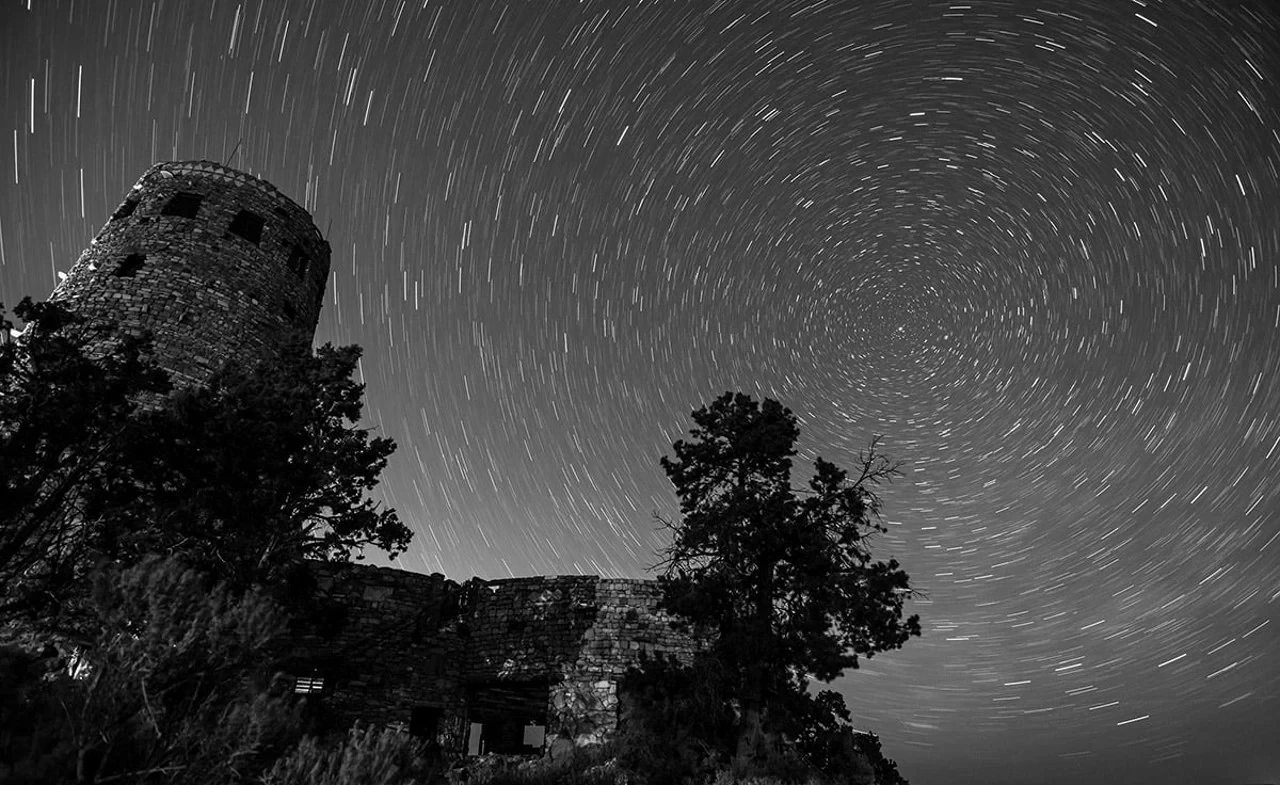
Allow time simply to look. Your eyes need roughly half an hour to adapt to darkness. Keep a dim red light available, reduce bright-phone use, and follow staff instructions around telescopes. Photographs can accumulate light and show detail or star trails that a person does not see in the same way; the astrophotography in this story illustrates that distinction.
Before leaving, check the site forecast, road conditions and the operator’s latest instructions. Pack warm clothing, water and the directions you will need offline. Arriving before sunset helps you understand the ground and your way back, but never enter an observatory or closed park area without the required reservation or permission. Choose one well-planned night and leave enough energy for the journey home.
Sources: Lowell: hours and visit FAQs · Kitt Peak: nighttime programs · Mount Lemmon: tickets and policies · Oracle State Park: hours, fees and access · Grand Canyon: operations update · Chiricahua: directions and vehicle limits · NASA: finding a stargazing site · NASA: Moon viewing tips
The details
A few good questions.
Do I need my own telescope?
The observatory programs provide telescope viewing, and the listed Oracle star party has telescopes. Independent park stargazing can begin with your eyes; binoculars can add detail. Equipment does not guarantee clear skies or a particular target.
Which option works with a shorter evening?
Lowell’s general-admission format is the most flexible observatory option in this comparison. Kitt Peak and Mount Lemmon have fixed programs and restrict early departures. For an independent park visit, confirm night access and your return route first.
Is a full Moon a reason to cancel?
It depends on the goal. Moonlight makes faint stars and the Milky Way harder to see, but the Moon is itself an observing target. Check the Moon’s rise and set times, local weather and the booked program’s terms; a bright Moon is not the same as a canceled event.
Can I stay overnight at a stargazing parking lot?
Do not assume so. Chiricahua explicitly separates night observing from prohibited overnight parking. Book an authorized campsite or lodging and check local rules. Grand Canyon’s current water restrictions also affect overnight services.
Behind the story
Sources & further reading.33 sources behind this story
Research reviewed October 15, 2026. Check the linked providers for updates before travel.
Researched and written with AI, with automated editorial review. Read how we check our stories.
- Lowell: hours and visit FAQsChecked 2026-10-15
- Lowell: admission and inclusionsChecked 2026-10-15
- Lowell: public experiencesChecked 2026-10-15
- Lowell: Giovale Open Deck ObservatoryChecked 2026-10-15
- Kitt Peak: nighttime programsChecked 2026-10-15
- Kitt Peak: plan your visitChecked 2026-10-15
- NOIRLab: public roll-off-roof observatoryChecked 2026-10-15
- Mount Lemmon: SkyNightsChecked 2026-10-15
- Mount Lemmon: tickets and policiesChecked 2026-10-15
- Mount Lemmon: maps and directionsChecked 2026-10-15
- Mount Lemmon: plan your visitChecked 2026-10-15
- Oracle State Park: hours, fees and accessChecked 2026-10-15
- Oracle: dark skies and star partiesChecked 2026-10-15
- Oracle: November 7, 2026 star partyChecked 2026-10-15
- Grand Canyon: night skies and observing adviceChecked 2026-10-15
- Grand Canyon: alerts and accessChecked 2026-10-15
- Grand Canyon: upcoming night-sky eventsChecked 2026-10-15
- Grand Canyon: operations updateChecked 2026-10-15
- Grand Canyon: current park overviewChecked 2026-10-15
- Grand Canyon: things to do and seasonal accessChecked 2026-10-15
- NPS: stargazing at ChiricahuaChecked 2026-10-15
- Chiricahua National Monument overviewChecked 2026-10-15
- Chiricahua: Bonita Canyon CampgroundChecked 2026-10-15
- Chiricahua: directions and vehicle limitsChecked 2026-10-15
- Chiricahua: alerts and conditionsChecked 2026-10-15
- NASA: finding a stargazing siteChecked 2026-10-15
- NASA: Moon viewing tipsChecked 2026-10-15
- NOIRLab: Mayall telescope and Milky Way photographChecked 2026-10-15
- NOIRLab: image reuse termsChecked 2026-10-15
- Wikimedia Commons: NGC 7331 from Mount LemmonChecked 2026-10-15
- National Park Service: ownership and reuseChecked 2026-10-15
- Creative Commons Attribution 4.0 licenseChecked 2026-10-15
- Creative Commons Attribution 3.0 licenseChecked 2026-10-15
Your next somewhere.
U.S. travel stories with sources you can follow and places worth making time for.
Our editorial approachExplore destinationsShare a little inspiration